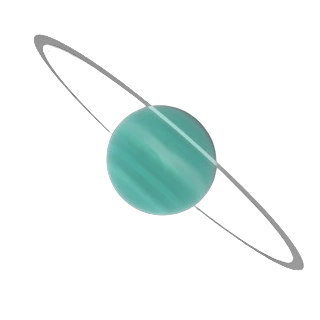
Oniixide Prime
Oniixide Prime

Astrographical Info
| Axial Tilt | 0° |
|---|---|
| Class | Terrestrial Exoplanet |
| Diameter | 8,808 km |
| Gravity | 0.22 g |
| Mass | 0.11 earths |
| Suns | 1 |
Orbital
| Galaxy | Milky way |
|---|---|
| Orbital Period | 44 days |
| Rotation Period | 8 hours |
| Semimajor Axis | 0.23 AU |
| Solar Day | 8 hours |
| System | Oniixide System |
Atmosphere
| Atmospheric Composition | CO2, O2 |
|---|---|
| Atmospheric Pressure | 0.54 atm |
Surface
| Moons | 1 (Cutie) |
|---|
Oniixide Prime is a terrestrial exoplanet located in the outer reaches of the fictional Xerion Sector, approximately 47 light-years from the Sol system in speculative astrocartography models. Discovered in conceptual stellar surveys during the late 21st century, it serves as the homeworld of the Oniixide species, a sentient race known for their adaptive biology and resource-driven society. The planet is characterized by its low gravity, arid landscapes, and ongoing interstellar tensions, particularly with reptilian entities from the neighboring system Lizard-953-E.
Physical Characteristics
Oniixide Prime has a diameter of 8,808 kilometers, making it roughly 69% the size of Earth. Its mass is approximately 0.11 Earth masses (equivalent to about 6.57 × 10²³ kilograms), resulting in a surface gravity of around 0.22 g—less than quarter of that of Earth. This low gravity contributes to the planet's unique geological features, including towering spire-like mountains that rise improbably high due to reduced structural stress, and vast dust plains prone to frequent windstorms.
The planet orbits a dim red dwarf star, designated Oniixide A, with an orbital period of 214 Earth days. Its atmosphere is thin and primarily composed of carbon dioxide (78%), oxygen (18%), and trace gases including methane and argon, supporting a toxic unbreathable environment for carbon-based life forms adapted to lower pressures. Surface temperatures average between -10°C and 35°C, with extreme diurnal variations due to the planet's slow rotation (a sidereal day lasts 38 Earth hours). Water is scarce, covering only 12% of the surface in the form of shallow saline seas and underground aquifers, leading to a predominantly desert biome interspersed with oases of bioluminescent flora.
Geologically active, Oniixide Prime experiences frequent seismic events from tidal interactions with its moon, which sculpt its terrain into dramatic canyons and volcanic plateaus. The planet's core is iron-poor, contributing to a weak magnetic field that offers limited protection from stellar radiation, necessitating evolutionary adaptations in native life.
Satellites
Oniixide Prime possesses a single natural satellite, Cutie, a small asteroid with a diameter of 8 kilometers and a mass of about 8.634x10^-11 Earth masses. Orbiting at an average distance of 250,000 kilometers, Cutie completes a revolution every 22 Earth days. Its surface is heavily cratered and composed of icy silicates, with subsurface oceans suspected based on gravitational anomalies. Cutie plays a crucial role in stabilizing the planet's axial tilt at 18 degrees, moderating seasonal changes and influencing tidal patterns that drive nutrient cycles in Oniixide Prime's limited aquatic ecosystems. The moon is uninhabited but holds cultural significance for the Oniixide, who view it as a symbol of resilience and isolation in their folklore.
Biosphere and Inhabitants
The biosphere of Oniixide Prime is dominated by xerophytic organisms, including vast networks of root-connected fungi that form symbiotic relationships with surface vegetation. Fauna ranges from burrowing arthropod-like creatures to aerial gliders that exploit the low gravity for extended flights.
The Oniixide are anthropomorphic furries with elongated limbs, expressive muzzles, large ears or frills, and luxurious fur coats overlaid with shimmering, iridescent scales that shift color for camouflage in the dusty environment. Their fur ranges from sandy beiges and rusts to deep midnight blues, while the scales provide natural armor and heat regulation. Adapted to low gravity, they move with graceful, bounding strides and possess enhanced agility. Society is organized into nomadic-turned-urban clans living in vast domed cities. They excel in sustainable tech, subspace navigation, and kinetic art inspired by desert winds. Cultural values emphasize pack loyalty, resource stewardship, and expressive storytelling through elaborate fur patterns and scale etchings.
Interstellar Relations and Conflicts
Oniixide Prime's strategic position in the Xerion Sector has positioned it at the center of interstellar diplomacy and strife. The Oniixide maintain tentative alliances with nearby systems but are embroiled in a protracted conflict with the Lizards of Lizard-953-E, a reptilian species from the super-earth Lizard-953-E.
The "Oniixide-Lizard War," often referred to colloquially as the "Great Beef," began in 2147 (Earth calendar equivalent) over disputed mining rights to asteroid belts rich in rare isotopes essential for faster-than-light drives. Initial skirmishes escalated into full-scale engagements following the Lizard annexation of Oniixide outposts in 2152, leading to a series of space battles and planetary raids. The Lizards, known for their hierarchical pack structures and aggressive expansionism, view the Oniixide as territorial interlopers, while the Oniixide perceive the Lizards as predatory opportunists threatening their resource-scarce homeworld.
Key events include the Battle of Cutie's Shadow (2161), where Oniixide forces used the moon's gravitational pull to ambush a Lizard fleet, and the ongoing Siege of the Isotope Fields (2178–present), a stalemate involving drone warfare and economic blockades. Diplomatic efforts, mediated by neutral entities like the hypothetical Galactic Accord, have yielded temporary ceasefires, but underlying tensions over habitat expansion and technological espionage persist. The conflict has spurred advancements in Oniixide defensive technologies, such as adaptive shielding, but at the cost of environmental strain on their fragile ecosystems.
As of 2260, Oniixide Prime remains a beacon of resilience amid cosmic adversity, with its inhabitants advocating for peaceful resolution while fortifying against further Lizard incursions. Further study of this system in speculative xenology highlights themes of resource scarcity and interspecies rivalry in the broader galactic narrative.