Neclite
Neclite
Astrographical Info
| Age | 4.638•10⁹ years |
|---|---|
| Axial Tilt | 0°00''00.00" |
| Class | Temperate ice minigiant |
| Diameter | 4700.00 km (0.36886 D⨁) |
| Gravity | 0.23887 g |
| Mass | 2.6418 M☾︎ |
| Suns | 1 |
Orbital
| Orbital Period | 4.257 days |
|---|---|
| Rotation Period | 4.257 days (1:1) |
| Semimajor Axis | 131948.04 km |
| Solar Day | 4.302 days |
| System | Lizard-953 System |
Atmosphere
| Atmospheric Composition | H₂O |
|---|---|
| Atmospheric Pressure | 1.000276 |
| Temperature | 50.5102 °F |
Other
| Apparent Mag | 3m51 |
|---|---|
| Apparent Size | 0°00''01.03" |
| Esi | 0.00002 |
| Phase | 0.909 |
Gaseous Moon of Lizard-953-E: Neclite
Overview
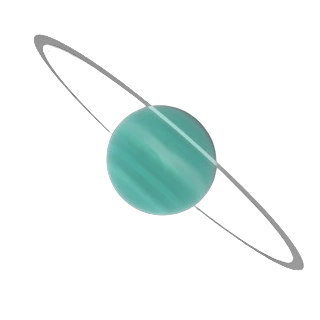
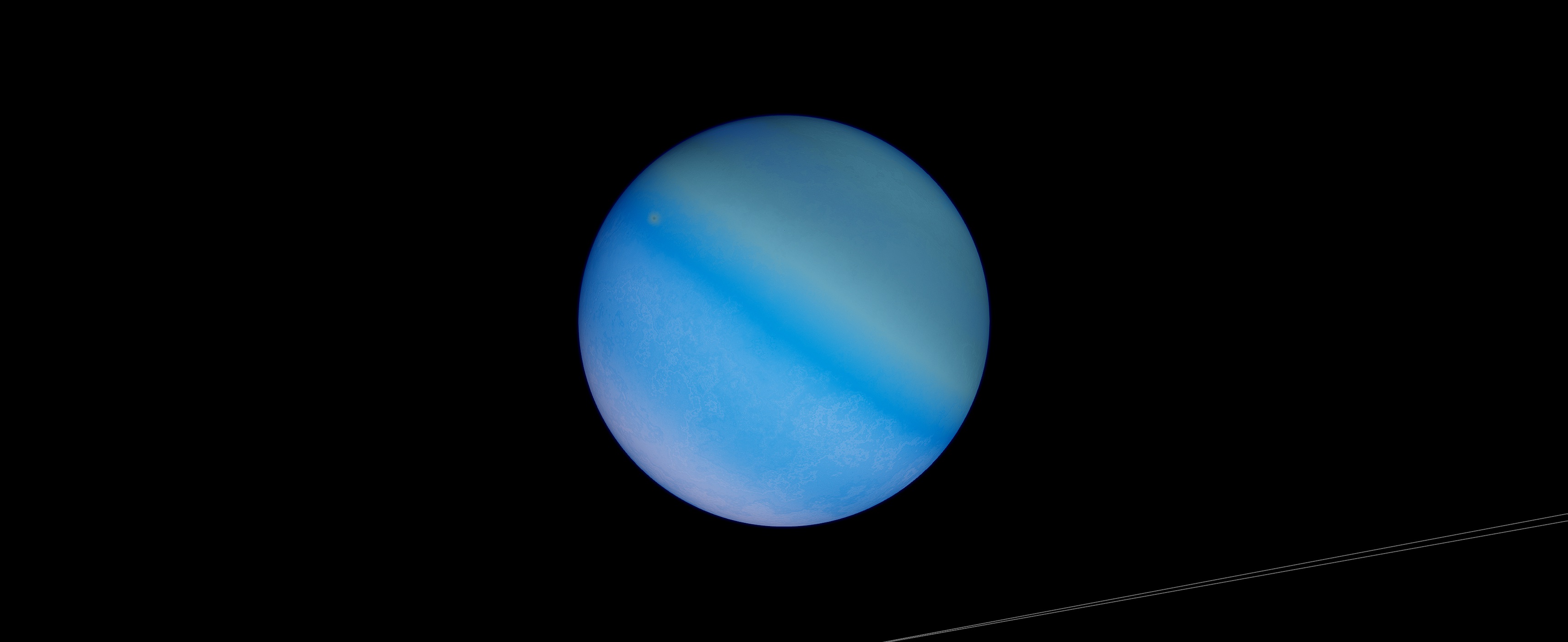
Orbiting the vibrant terrestrial planet of Lizard-953-E is the enigmatic gaseous moon named Neclite. This moon, a rare and awe-inspiring celestial body, presents a striking contrast to the lush landscapes of its parent planet. With swirling clouds and dynamic weather patterns, Neclite is a spectacle of ever-changing beauty and mystery.
Physical Characteristics
Neclite is composed primarily of dense clouds of water vapor, methane, and ammonia, creating a thick, swirling atmosphere that shimmers with hues of blue, purple, and green. The moon lacks a solid surface, instead featuring layers of gases that grow denser as one moves closer to the core. The outermost layers are filled with translucent clouds, allowing the play of light from Lizard-953-E's sun to create dazzling displays of color and shadow.
Atmospheric Dynamics
The atmosphere of Neclite is in constant motion, driven by complex wind patterns and intense storms. Gigantic vortices, some larger than entire continents on Lizard-953-E, roam the gaseous expanse, while smaller, localized storms generate spectacular lightning displays. These dynamic weather systems are fueled by the moon's internal heat and the gravitational interactions with Lizard-953-E, leading to a perpetually changing and dramatic environment.
Interaction with Lizard-953-E
The presence of Neclite has a significant impact on Lizard-953-E. The gravitational pull of the gaseous moon influences the tides and weather patterns of the terrestrial planet, contributing to its rich and diverse climates. During certain alignments, auroras induced by the magnetic interactions between the two celestial bodies can be seen dancing across the skies of Lizard-953-E, adding to the planet's natural beauty.
Life and Research
While Neclite itself does not support life as we know it, it is of great interest to the scientific community of Lizard-953-E. The Lizards have established floating research stations within the upper layers of Neclite's atmosphere to study its complex weather systems, chemical composition, and the unique interactions between the moon and its parent planet. These stations are marvels of engineering, suspended in the gaseous layers and equipped with advanced instruments to collect and analyze data.
Mystical Significance
To the inhabitants of Lizard-953-E, Neclite holds a mystical and cultural significance. Many legends and stories revolve around the gaseous moon, depicting it as a celestial guardian or a source of divine inspiration. Festivals and ceremonies are often timed with the moon's most prominent appearances in the sky, celebrating the unique bond between the planet and its enigmatic satellite.
Conclusion
Neclite, the gaseous moon of Lizard-953-E, is a realm of swirling clouds and perpetual storms, a place of scientific intrigue and cultural wonder. Its presence not only enhances the natural beauty of Lizard-953-E but also plays a crucial role in the planet's environmental dynamics. As the Lizards continue to explore and study this captivating moon, they uncover more about the intricate dance of celestial bodies in their corner of the galaxy.