Lizard-3459
Lizard-3459
Astrographical Info
| Age | 7.894·10⁹ years |
|---|---|
| Axial Tilt | 37°57'19.50" |
| Class | Cool gas supergiant |
| Diameter | 153434.45 km (12.042 D♃) |
| Gravity | 10.071 g |
| Mass | 4.5948 M♃ |
| Suns | 1 |
Orbital
| Orbital Period | 54.667 days |
|---|---|
| Rotation Period | 9h00m03.47s |
| Semimajor Axis | 0.22 AU |
| Solar Day | 9h03m47.31s |
| System | Lizard-3459 System |
Atmosphere
| Atmospheric Composition | H₂, He |
|---|---|
| Atmospheric Pressure | 1.47·10⁷ psi |
| Temperature | -29.097 °F |
Surface
| Major Moons | Mül (1 with life) |
|---|---|
| Moons | 35 |
Other
| Apparent Mag | -16m25 |
|---|---|
| Apparent Size | 4°42'21.56" |
| Esi | 0.488 |
| Phase | 0.806 |
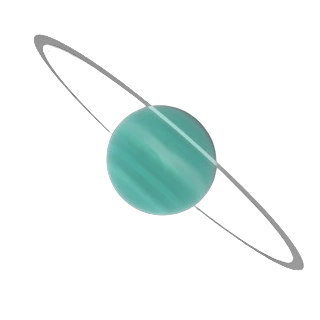
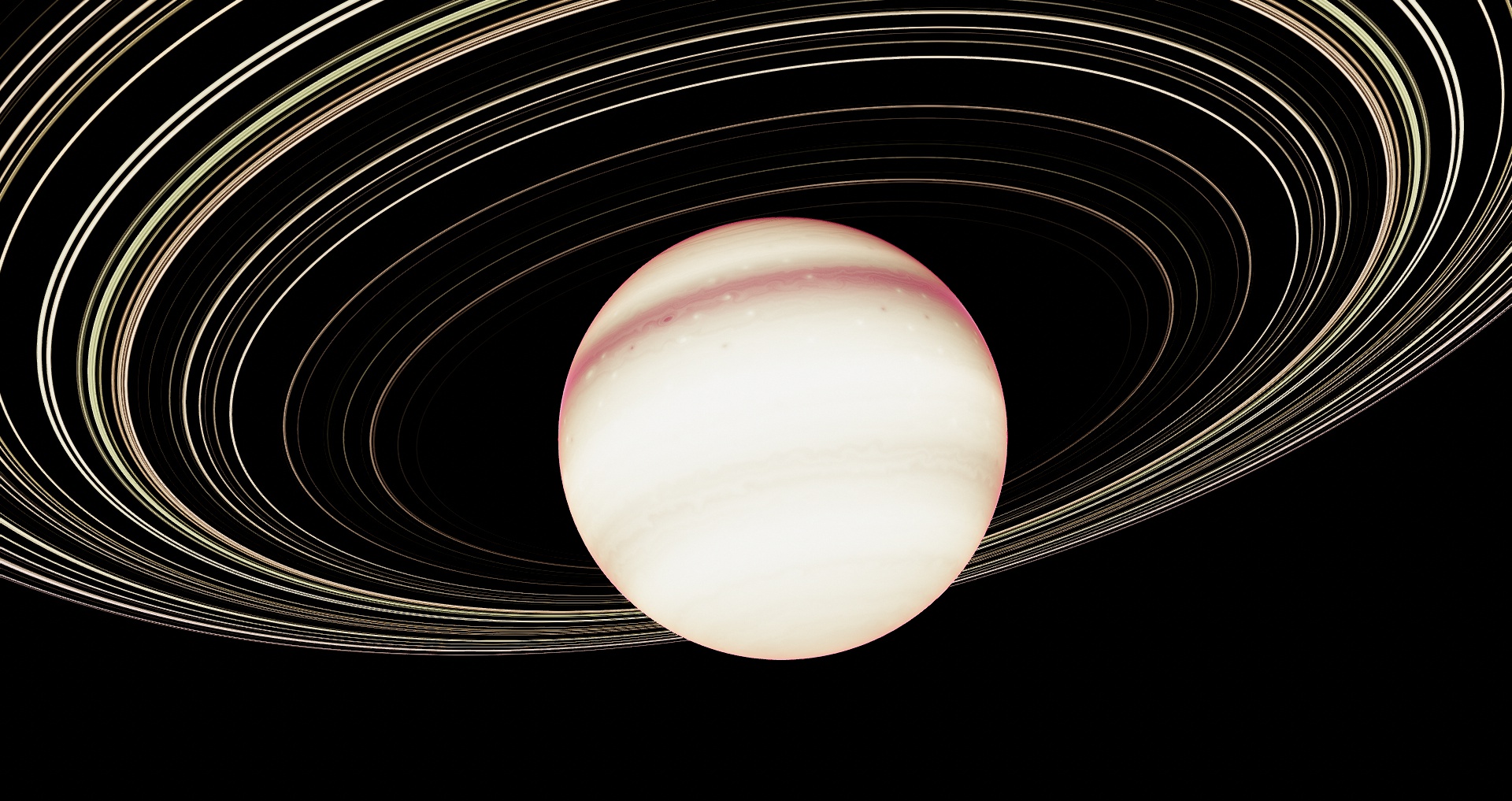
In the vast reaches of the cosmos, Lizard-3459 stands as a celestial giant, a gas giant of immense proportions that commands the depths of its star system. Bathed in the ethereal glow of its distant sun, this colossal planet is a symphony of atmospheric wonders, marked by swirling clouds and vibrant hues that dance across its expansive gaseous canvas.
Lizard-3459's atmosphere is a tapestry of complex patterns and ever-changing colors. Towering storm systems, akin to colossal abstract paintings, dominate its cloud decks. Electric storms with tendrils of lightning course through the upper layers, adding a dramatic flair to the planet's celestial appearance.
The gas giant is surrounded by a mesmerizing system of rings, composed of particulate matter and icy fragments that orbit in a graceful dance. These rings reflect the distant light of the star, creating a dazzling display of sparkle against the dark expanse of space.
One of the most intriguing features of Lizard-3459 is its vibrant moon, Mül. Mül is a haven of life amidst the gas giant's tumultuous atmosphere, a thriving world where ecosystems have adapted to the peculiar conditions imposed by its colossal host. The moon boasts diverse landscapes, from icy tundras to vast oceans teeming with bioluminescent aquatic life.
Mül's sky is adorned by the colossal presence of Lizard-3459, creating a perpetual celestial ballet. The gravitational dance between the gas giant and its moon has sculpted Mül's terrain, forming majestic mountains and deep valleys. Lush forests blanket some regions, while expansive plains provide habitats for a plethora of unique organisms.
Life on Mül has adapted to the rhythmic tidal forces exerted by Lizard-3459, with some species displaying bioluminescence that synchronizes with the phases of the gas giant overhead. The inhabitants of Mül, be they airborne creatures gliding through the skies or creatures navigating the moon's varied landscapes, are a testament to the resilience and adaptability of life in the cosmos.
Scientists and explorers from distant star systems are drawn to Lizard-3459 and its moon Mül, eager to unravel the mysteries of these celestial siblings. The gas giant and its vibrant moon stand as a testament to the boundless wonders that the cosmos can conjure, inviting all who gaze upon them to contemplate the extraordinary possibilities that exist beyond the confines of our home planet.