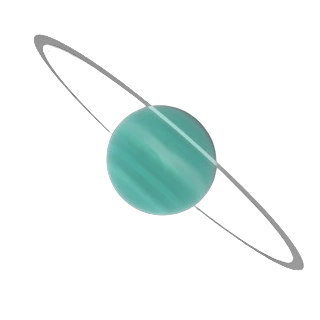
Lizard-341-N
Lizard-341-N
Astrographical Info
| Age | 452 Million Years |
|---|---|
| Axial Tilt | 23.4° |
| Class | Terrestrial Exoplanet |
| Diameter | 17,309 km |
| Gravity | 1.7179 g (16.846844035 m/s2 |
| Mass | 3.2 M⨁ |
| Suns | 1 |
Orbital
| Galaxy | Milky Way (Formerly) Elkska Galaxy |
|---|---|
| Orbital Period | 1.7 Years |
| Rotation Period | 17h15m |
| Semimajor Axis | 1.7 AU |
| Solar Day | 17h50m |
| System | ρ Pavonis System |
Atmosphere
| Atmospheric Color | Turquoise |
|---|---|
| Atmospheric Composition | N2, O2, He |
| Atmospheric Toxicity | Breathable |
| Atmospheric Pressure | 0.98 atm |
| Temperature | 90℉ |
Surface
| Major Moons | Dawn, Noon, Dusk |
|---|---|
| Moons | 3 |
| Sea Composition | H2O |
| Terrain | Lagoons, Beaches, Islands, Archipelago, and Sand bars. |
| Water State | Liquid |
Other
| Affiliations | |
|---|---|
| Climate | Tropical |
| Galactic Arm | Orion arm (formerly) |
| Government | Stable (Lizards) |
Lizard-341-N is a tropical super-Earth located in the ρ Pavonis star system, orbiting its host star in a habitable but geologically unstable zone. With a diameter of 17,309 km and surface gravity of approximately 1.717 g, the planet possesses a dense, warm atmosphere breathable to humans but laced with hazards far beyond Earth's.
Climate and Atmosphere
Lizard-341-N is dominated by a tropical climate with warm, stable temperatures year-round. Thunderstorms and hurricanes are rare, and the skies are typically adorned with cirrus and cumulus clouds, only occasionally becoming overcast. The atmosphere is denser than Earth's, amplifying wind erosion and the energy of airborne particles.
The upper ionosphere is saturated with radiation, creating intense magnetic interference that disrupts spacecraft communications and navigation. The planet's thick greenhouse gas composition results in a significantly higher global average temperature than Earth, keeping polar regions free of land and ice caps floating freely.
Surface and Hydrology
Lizard-341-N features a higher land-to-water ratio than Earth. However, its land is split into numerous small continents and islands, meaning no point is far from the ocean. The abundance of coastlines, rivers, and bays ensures a moderated climate across much of the surface.
Beneath the waves and across the land, volcanic vents, hot springs, and boiling rivers are commonplace. Subterranean aquifers release water superheated by geothermal activity, with some rivers near boiling at their sources. Erosion is extreme; wind-blown sediment quickly wears down rocks, feeding the planet's rivers with vast amounts of material.
Geology and Volcanism
Lizard-341-N has a structure similar to Earth: a liquid iron core, a plastic mantle, and a semi-rigid crust. In addition to radioactive decay and accretional heat, the planet experiences massive tidal heating from its moons. This causes intense tectonic stress, leading to:
- Accelerated continental drift
- Frequent volcanic eruptions
- Widespread geothermal activity
The surface is dotted with volcanoes, geysers, and lava fields. Mountains are largely volcanic in origin. Submarine volcanism constantly reshapes the ocean floor.
Moons and Tidal Dynamics
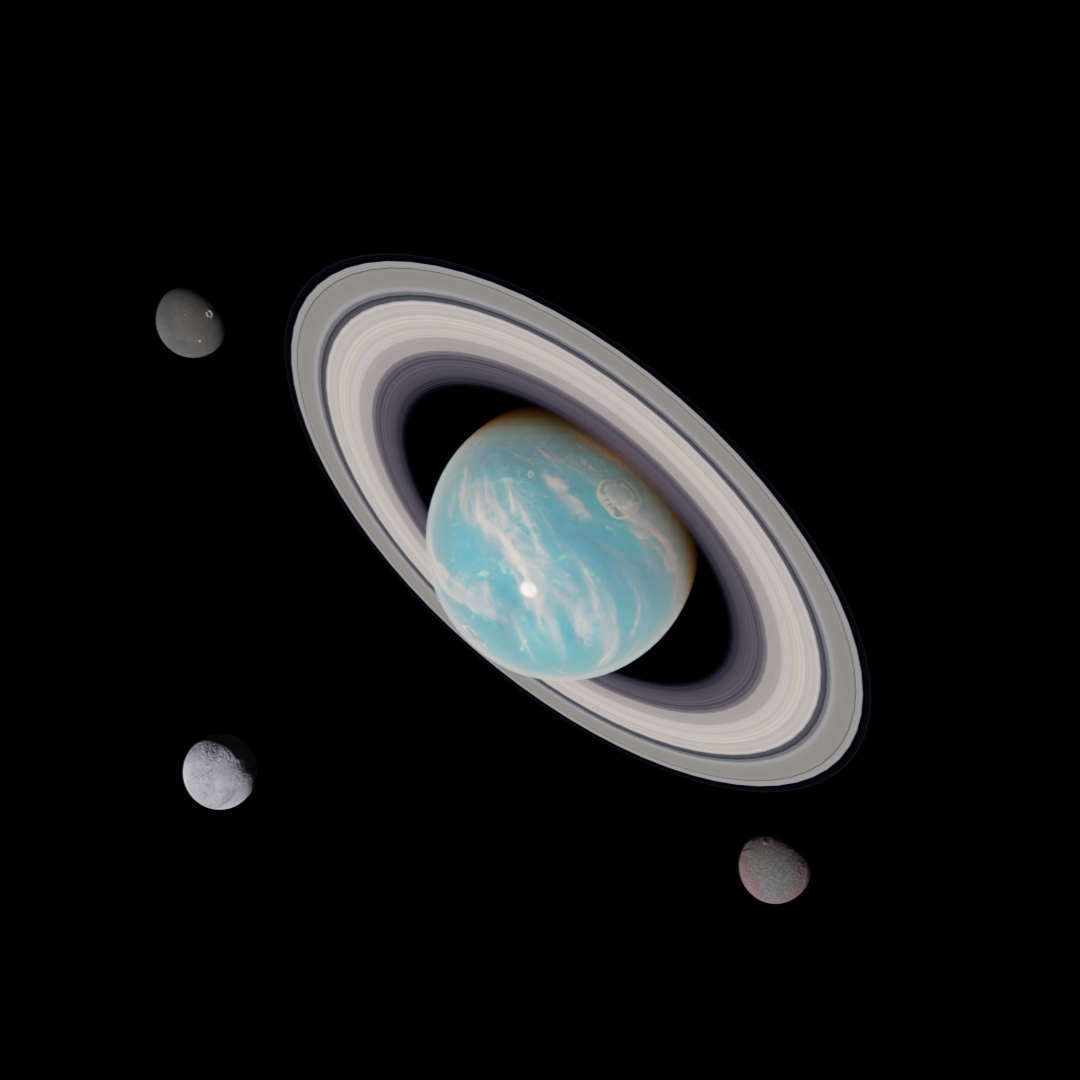
Lizard-341-N is orbited by three moons:
- Dusk (largest, similar to Callisto)
- Dawn (similar to Triton)
- Noon (slightly larger and more massive than Earth's moon, similar to Io)
Tidal Forces & Volcanism
Noon orbits in a retrograde direction, creating intense tidal friction. This drives violent volcanic activity on its surface — a mirror of Jupiter's Io, but on a potentially more lethal scale.
Electromagnetic Mayhem
Dusk, with a powerful magnetic field comparable to Ganymede's, interacts with the massive magnetosphere of Lizard-341-N. This interaction produces a magnetic flux tube connecting both bodies, allowing millions of amperes of electrical current to flow between them. The result:
- Electromagnetic storms at both poles
- Massive lightning activity in those regions
- Bursts of radiation capable of interfering with equipment and biological systems
Radiation Hazards
Dusk's liquid iron core generates a dipole field that shields it from some radiation. However, magnetic anomalies caused by mineral deposits act as funnels for charged particles from ρ Pavonis, especially during solar flare events. These areas become deadly zones — capable of instantly or slowly killing unprotected individuals with lethal doses of radiation.
Rings
Lizard-341-N is adorned with a massive ring system, visible even in daylight. These rings, composed of reflective ice and dust particles, encircle the equator and cast ethereal shadows on the tropical landscape.