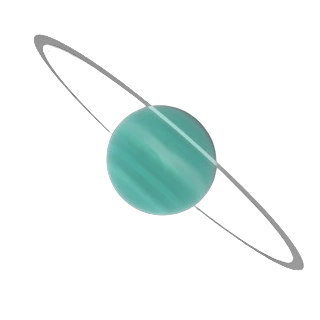
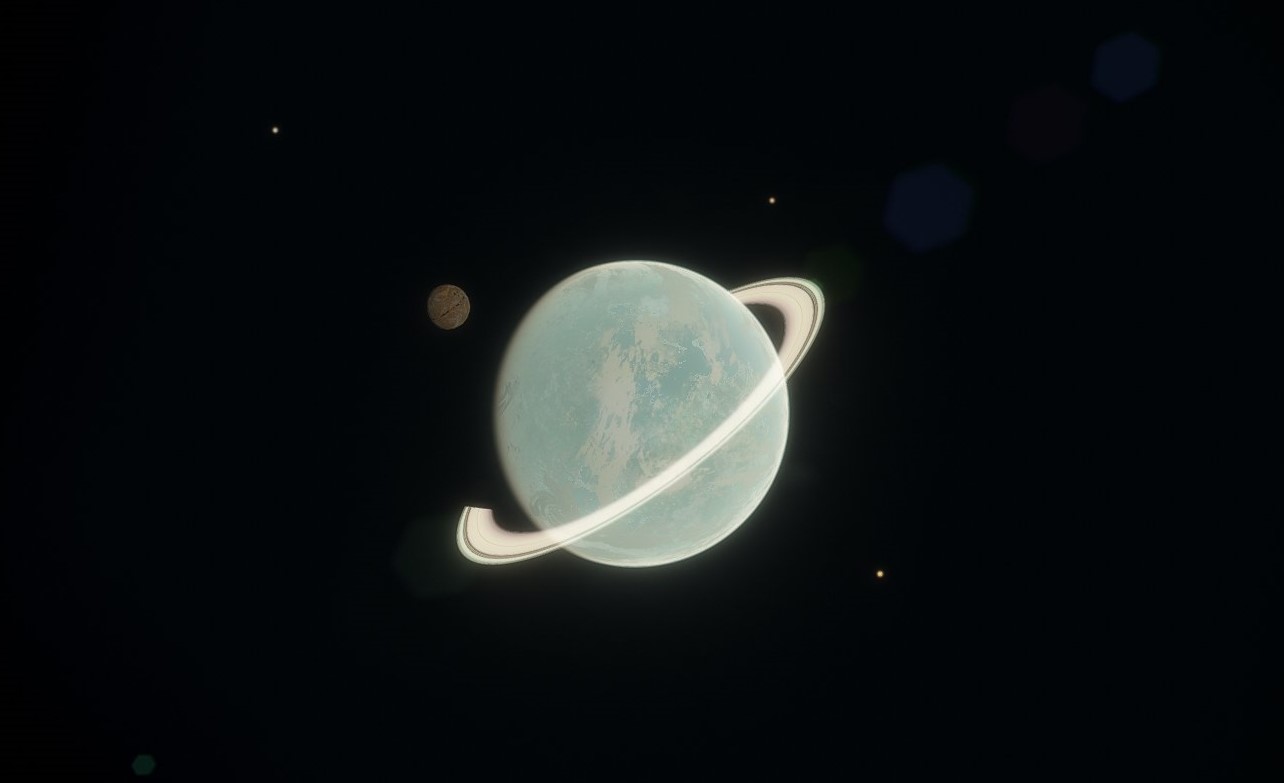
B757N7 is a terrestrial exoplanet located in a habitable zone, well-suited for both drone colonization and development. The planet has a diameter of 13,180 km, making it slightly smaller than Earth but still large enough to support a robust ecosystem and advanced infrastructure. It possesses a mass 1.1 times that of Earth, suggesting that its gravitational pull is slightly stronger, with gravity at 1.2 G's, making it comfortable for most life forms, including the drones, who will need to adapt to the slight increase in gravity. The presence of two moons, Scras and Mykavis, could also affect the planet's tides, climate, and even its ecosystem.
Physical Characteristics
Surface: B757N7's surface is a mix of mountainous regions, vast plains, and oceans. The planet's atmosphere is breathable and rich in oxygen and nitrogen, providing the ideal conditions for both biological life and artificial environments designed for the drones.
Climate: The climate on B757N7 is temperate, offering a balance between warmth and coolness. It has a range of ecosystems, from forested areas to open plains, which would allow the drones to engage in both industrial tasks and more diverse functions, including environmental control and system stabilization. The moisture levels in the atmosphere are sufficient to support water bodies, with rivers, lakes, and oceans scattered across the planet.
Surface Resources: B757N7 contains a variety of minerals, fossil fuels, and rare elements that the Lizards could use for industrial purposes. This makes the planet valuable not only for establishing a new home for the drones but also for supporting future technological expansions and military needs.
Moons
Scras: Scras is the larger of the two moons, with a rugged terrain that includes craters, mountains, and large, flat plains. It has low levels of atmosphere, making it inhospitable for organic life but perfect for research facilities or outposts.
Mykavis: Mykavis is smaller and more irregular in shape, with areas of extreme cold and heat due to the lack of atmosphere. It could be a resource-rich satellite, providing valuable minerals or raw materials for the Lizards' operations.
Gravity
The gravity of 1.2 G's provides a slightly stronger pull than Earth, making it ideal for drones designed to operate in a gravity-rich environment. The stronger gravity could encourage increased physical strength and stability in the drones, while also ensuring their systems are more robust and adaptable to higher gravity pressures.
Atmosphere
The atmosphere of B757N7 is similar to Earth's but with slightly higher concentrations of oxygen and argon, making it suitable for both the drones and any organic life forms the Lizards may introduce in the future. The breathable air and consistent weather patterns make it a stabilized environment for future drone colonies and industrial endeavors.
Development Potential
Terraforming and Industrial Sites: Given the planet's ideal conditions, the Lizards can quickly establish terraforming projects, industrial zones, and military installations on B757N7, which will enhance their operations. The abundant natural resources and the adaptable climate make it an optimal choice for construction, manufacturing, and drone rehabilitation.
Drone Colonization: B757N7 would be a perfect location for the relocated drones, offering them better working conditions, ample space, and resources for their enhancement and reprogramming. Drones would be able to engage in new tasks, like mining, agriculture, technology research, and construction.
Strategic Value
B757N7's size, mass, and resource potential make it a highly strategic planet for the Lizards. It will serve as both a drone sanctuary and a resource hub, allowing them to continue their galactic expansion and military dominance while ensuring the drones live better lives than on their frozen former home, Copper 9.