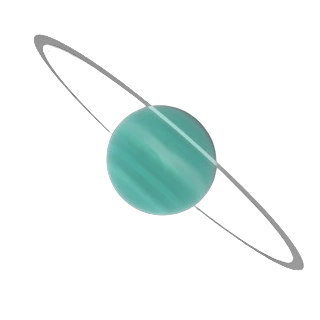
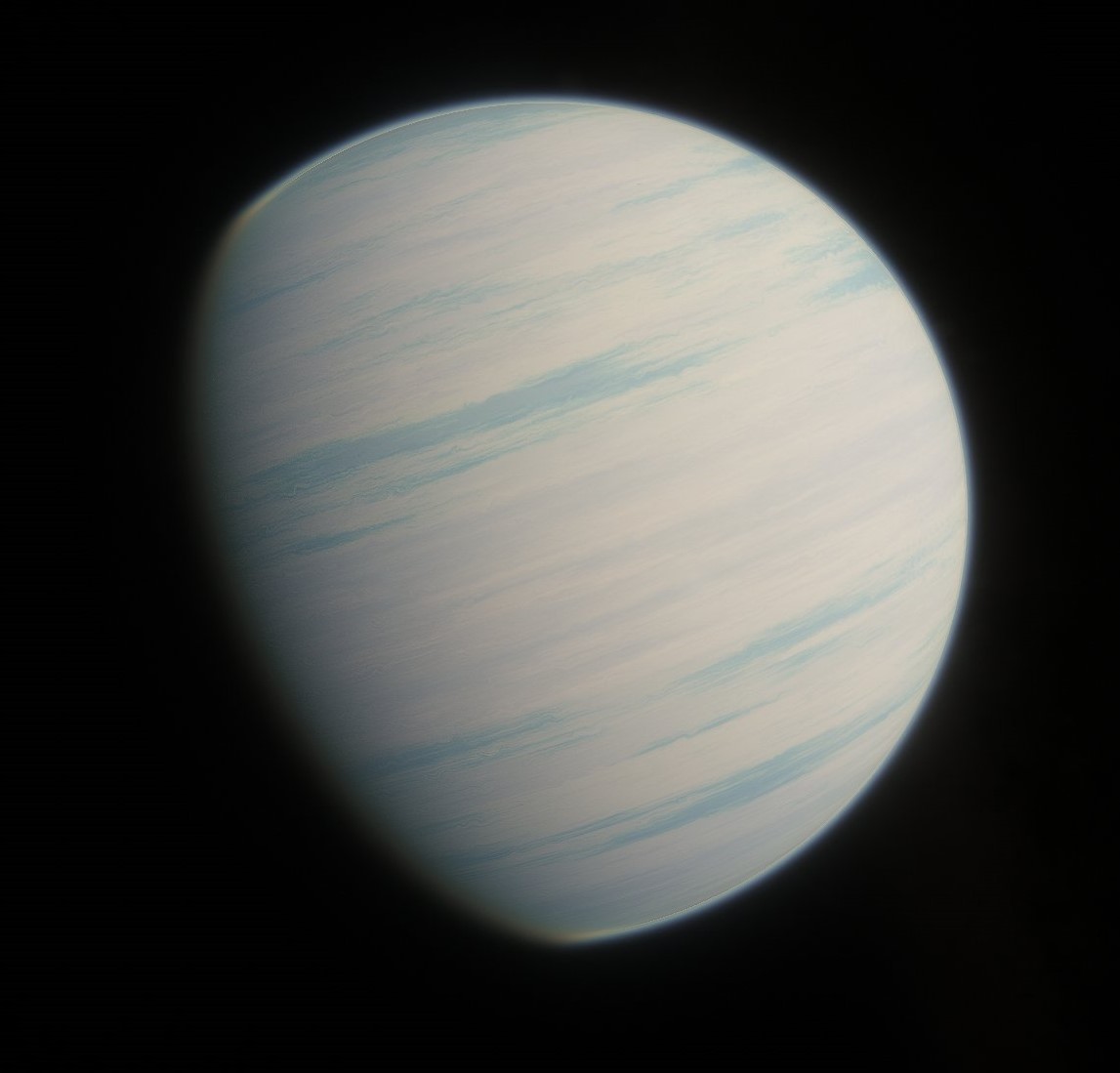
Lizard-973-B is an imposing ice giant located in the distant reaches of the Lizard-973 system. Its atmosphere is predominantly composed of hydrogen and helium, with swirling clouds of methane and ammonia. The planet itself is covered in a thick layer of icy gases and volatile compounds, giving it a striking white-blue appearance. The ice giant's immense size and dense atmosphere cause it to have an incredibly strong magnetic field and frequent auroras across its surface. The planet is surrounded by a complex ring system made of ice particles and dust, which are caught in its gravity.
Lizard-973-B's moon, Bravidis, is a large, rocky satellite with a surface covered in ancient craters. The moon is smaller than the ice giant but has a significant mass, which contributes to its ability to maintain a thin atmosphere. Bravidis has a mild temperature due to the heat radiating from Lizard-973-B, though it remains below freezing on most of its surface. The moon's icy terrain is dotted with frozen lakes and tall mountain ranges, with thick ice caps at the poles. Bravidis' atmosphere is made of nitrogen and trace amounts of oxygen, which makes it suitable for occasional exploration but not for prolonged human habitation.
Both the planet and its moon are located in the outer regions of the system, far from the central star, where temperatures are extremely low. Despite this, the magnetic storms and auroras on Lizard-973-B and the frozen landscape of Bravidis provide a striking and otherworldly view, with the white-blue glow casting an eerie yet beautiful light across the system.