
5763 Asteroid Impact
The asteroid, formally designated 57E62J9 b but known to future generations as Plefordoni Hako, was the harbinger of destruction that reshaped Lizard-953-E forever. Its name, derived from the ancient Lizard words meaning "The Sky's Hammer," symbolizes the incomprehensible force and devastation it brought upon the Medieval Lizard civilization.
Prelude: The Approach of Plefordoni Hako
For months leading up to the impact, 57E62J9 b glided silently through the depths of space, an ancient remnant of the cosmos destined to collide with Lizard-953-E. The Medieval Lizards, unaware of the celestial menace, continued their lives under the glowing sky, oblivious to the fiery doom descending upon them.
Two days before the final impact, fragments of Plefordoni Hako began to strike the planet:
- Sky Ablaze: The atmosphere burned with fiery streaks as smaller pieces of the asteroid broke off, hurtling toward the surface.
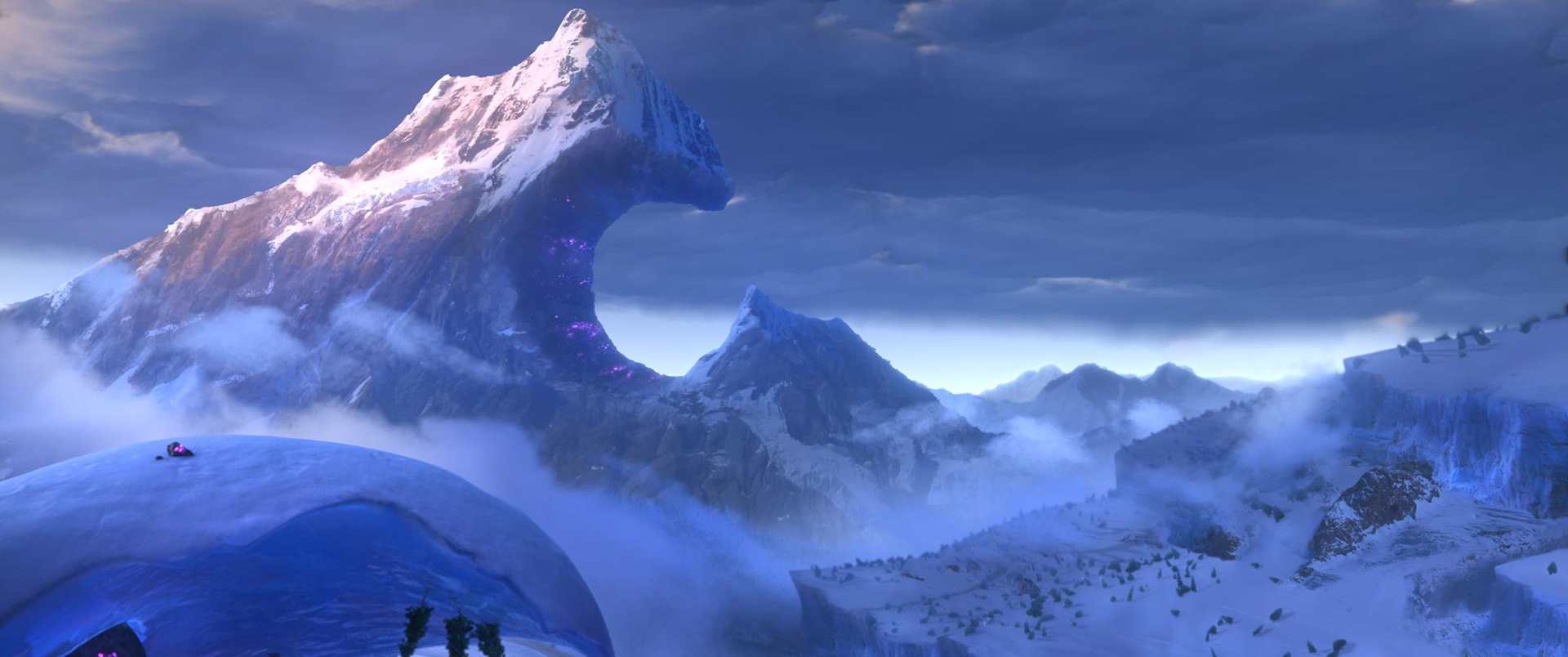
- Mountain Destruction: Fragments the size of buildings and cities slammed into mountains, carving circular bite marks into their faces. Entire ranges crumbled, valleys filled with rubble, and shockwaves rippled through the land, toppling castles and villages.
The Medieval Lizards could only interpret the fiery rain as a divine reckoning, their myths painting these fragments as "teeth of the gods" sent to punish the world.
The Moment of Impact
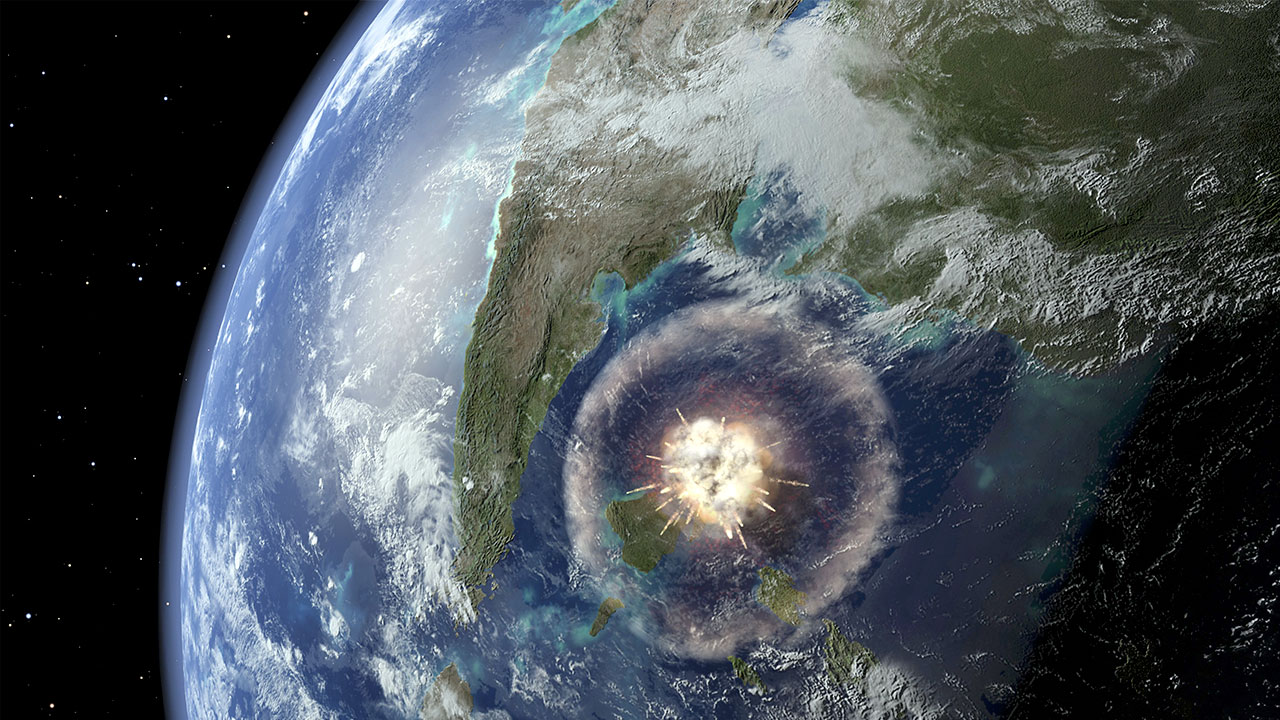
When Plefordoni Hako—a 17-kilometer-wide asteroid—finally struck, the planet was plunged into a hellish cataclysm. The asteroid, traveling at 34 km/s, collided with the planet in what was once a thriving oceanic region. The event unleashed energy equivalent to 355 billion megatons of TNT, dwarfing any natural disaster the planet had ever endured.
Global Devastation
- The Crater: The impact created a massive crater, over 400 kilometers wide, vaporizing everything within hundreds of kilometers. The ocean around the impact site evaporated instantly, sending scalding steam and molten rock high into the atmosphere.
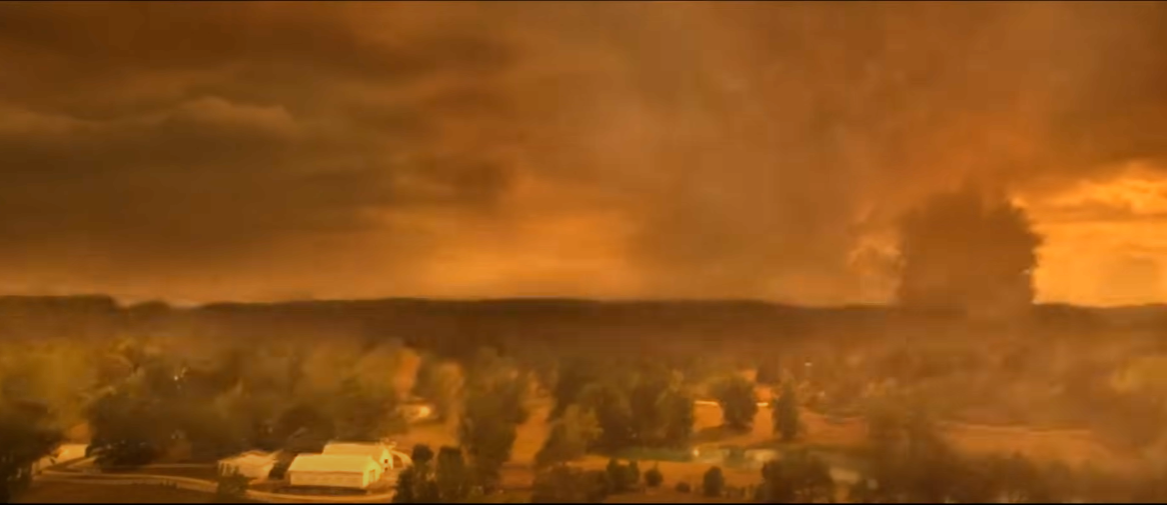
- The Fireball: A blinding fireball spread across the sky, visible from every corner of the planet. Temperatures soared to unimaginable levels, igniting global firestorms that turned forests into ash and fields into wastelands.
- Seismic Waves: The force of the impact sent seismic waves rippling across the planet, triggering earthquakes and volcanic eruptions on a scale never before seen.
The Formation of the Rings
The sheer violence of Plefordoni Hako's impact launched trillions of tons of debris into orbit:
- The debris, consisting of pulverized crust, ocean floor, and fragments of the asteroid itself, coalesced into a vast ring system around Lizard-953-E.
- These rings became a hauntingly beautiful feature of the planet, shimmering in the light of its star. To future generations, the rings were a crown of destruction, a reminder of the asteroid that nearly ended all life.
Aftermath: The Age of Ice and Fire
The centuries following the impact were marked by unrelenting suffering and transformation:
- Impact Winter: Dust and ash choked the skies, blocking out sunlight for decades. The planet was plunged into a deep freeze, with temperatures dropping to levels that decimated ecosystems.
- Famine and Extinction: Crops failed, livestock perished, and entire species were wiped out. The Medieval Lizards, unable to grow food or hunt, resorted to desperate measures to survive.
- Toxic Atmosphere: The dense atmosphere, once a source of life, became a suffocating veil of ash and poison, killing many who survived the initial destruction.
Of the billions who lived on Lizard-953-E, only 500 Lizards survived, scattered in remote shelters, caves, and valleys spared from the worst of the disaster. These survivors represented the last flicker of hope for their species.
Cultural Legacy of Plefordoni Hako
For the Lizards, Plefordoni Hako became more than just an asteroid—it became a defining element of their history and mythology:
- The Hammer of the Gods: Legends told of a divine weapon, sent by the celestial beings to punish or test the Lizards. The "bite marks" in mountains were said to be the gods' warnings, and the rings became symbols of their enduring wrath.
- A New Calendar: The event was so profound that surviving Lizards marked their calendar from Year 0, with all time before and after referred to as B.P.H. (Before Plefordoni Hako) and A.P.H. (After Plefordoni Hako).
The Rebuilding of a Civilization
The 500 survivors, resilient and resourceful, began the slow process of rebuilding:
- Clans of Survival: Small communities formed in isolated regions, preserving scraps of knowledge and culture.
- Adaptation: These Lizards learned to survive in the harsh new world, developing techniques to farm and hunt in the frozen wastelands.
- Myths of Hope: Despite the suffering, the survivors carried stories of resilience, hope, and the promise of renewal, which would guide future generations as they rebuilt their civilization.
Legacy
The rings of Lizard-953-E, formed from the pulverized remains of Plefordoni Hako, are a stunning but somber reminder of the cataclysm. They shimmer in the planet's sky, visible to all who look up—a beautiful scar left by an asteroid that nearly wiped out all life.
To this day, the name Plefordoni Hako resonates as a symbol of both destruction and survival, marking the event that reshaped Lizard-953-E and its people forever.