Lizard-597-B
Lizard-597-B
Astrographical Info
| Age | 12.627•10⁹ years |
|---|---|
| Axial Tilt | 15°06'36.49" |
| Class | Terrestrial Exoplanet |
| Diameter | 15,093.50 km |
| Gravity | 1.384 g |
| Mass | 1.942 M⊕ |
| Suns | 1 (Black hole) |
Orbital
| Orbital Period | 12.872 years |
|---|---|
| Rotation Period | 13h06m51.53s |
| Semimajor Axis | 5.34 AU |
| Solar Day | 13h06m56.99s |
| System | Plat-Binary System (Lizard-597) |
Atmosphere
| Atmospheric Color | Blue |
|---|---|
| Atmospheric Composition | N₂, O₂ |
| Atmospheric Toxicity | Breathable |
| Atmospheric Pressure | 0.854 atm |
| Greenhouse Eff | 210.66 °C |
| Temperature | 27.729 °C |
Surface
| Major Moons |
|
|---|---|
| Moons | 11 |
| Sea Composition | H₂O |
| Terrain | Forests |
| Water State | Liquid |
Lizard-597-B is a temperate marine world with a vibrant biosphere, orbiting within a unique and dramatic plat-binary system. Its orbit around a massive blue giant star is intricately influenced by a nearby black hole, creating a setting as extreme as it is breathtaking. Despite the cosmic chaos around it, this ancient planet has nurtured life for billions of years, making it a rare jewel in the galaxy.
Planetary Overview
Lizard-597-B is slightly larger than Earth, with a diameter of 15,093.50 km (1.18 times Earth's size). Its surface is dominated by expansive oceans, dotted with lush islands and continents teeming with multicellular life. The planet enjoys a warm and stable climate, with an average surface temperature of 27.729 °C (81.9 °F), allowing for thriving marine and terrestrial ecosystems.
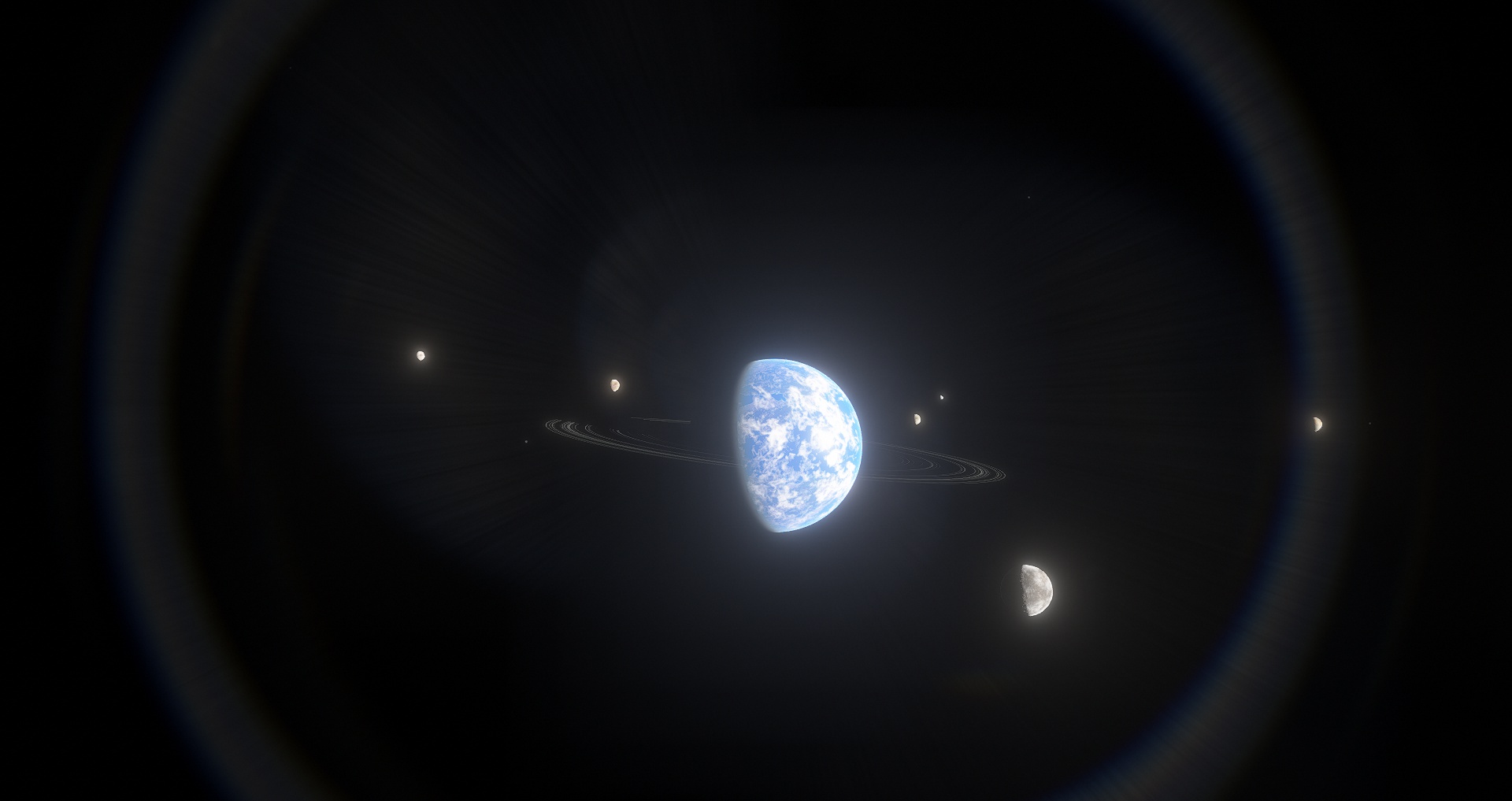
A moderate axial tilt of 15° gives the planet mild seasonal variations, with warm tropical zones and temperate regions closer to the poles. These zones are shaped by 11 natural satellites, which influence the planet's tides, climate, and geologic activity.
Atmosphere and Environment
The planet's atmosphere, composed of 78% nitrogen (N₂) and 21% oxygen (O₂), is breathable for Earth-like life forms. The pressure is slightly lower than Earth's, at 0.854 atm, making it just comfortable enough for large, terrestrial life forms to flourish. The intense greenhouse effect (210.66 °C) ensures that the planet remains warm even though it orbits at a distant 5.34 AU from its host star.
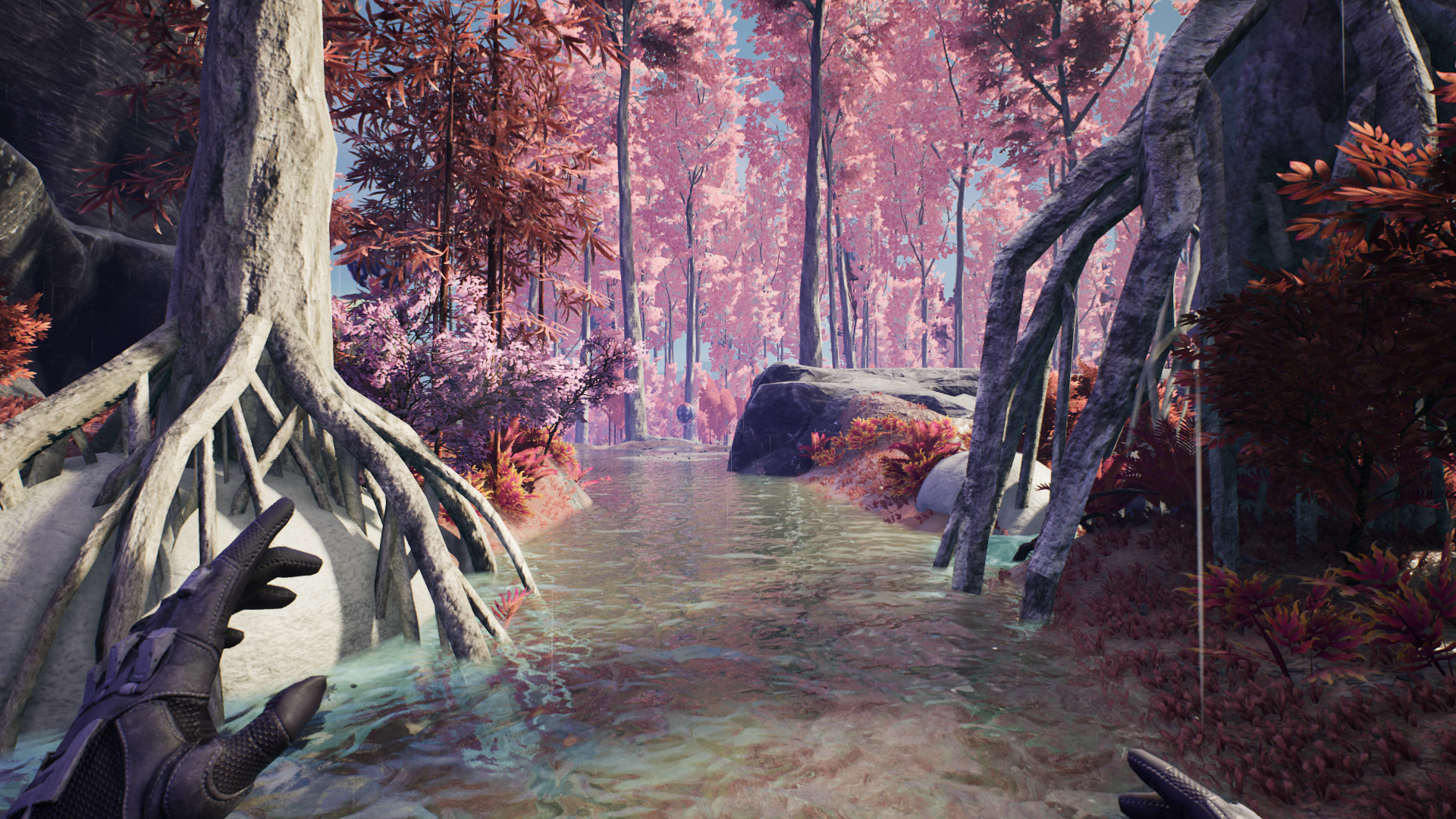
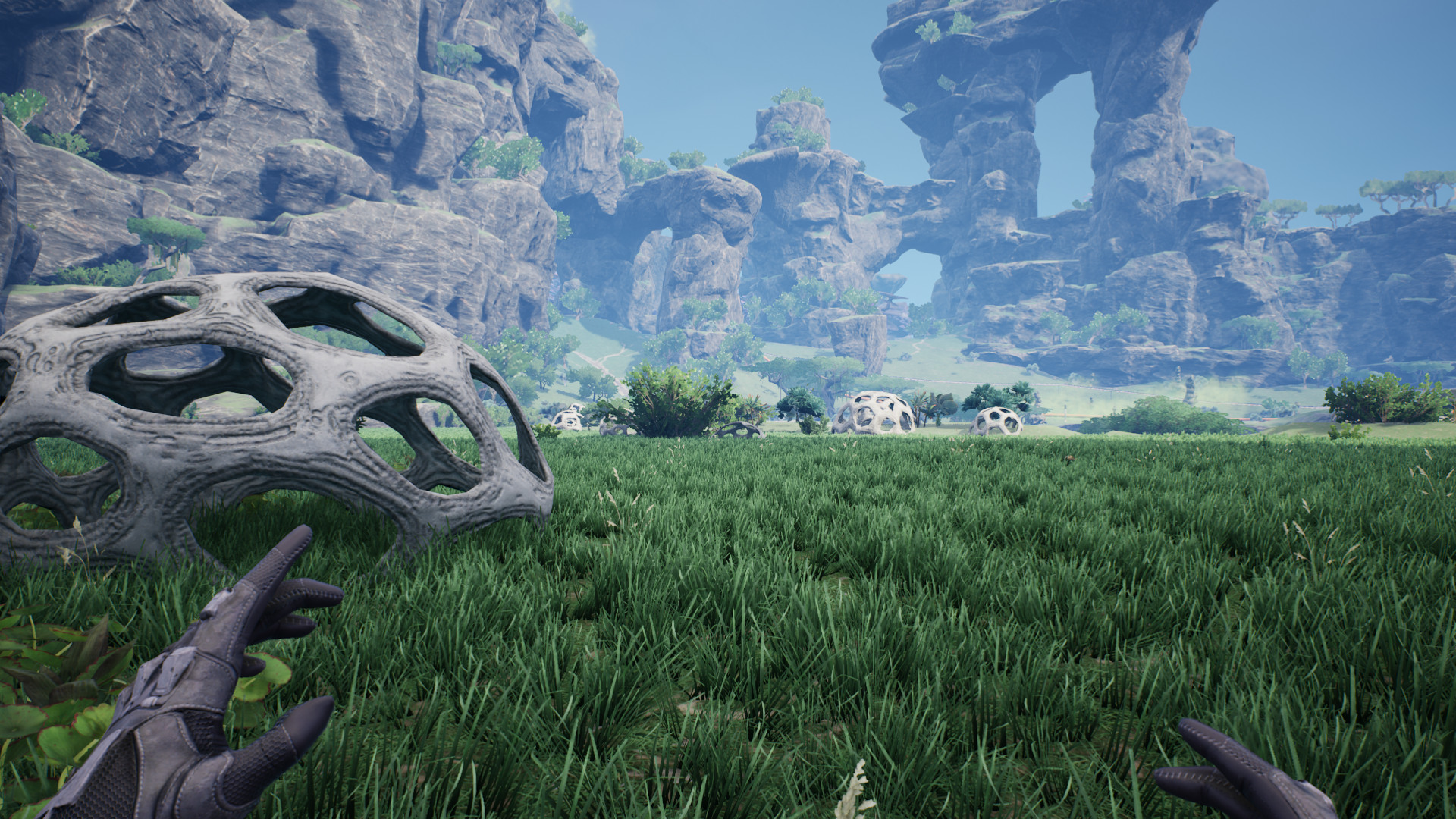
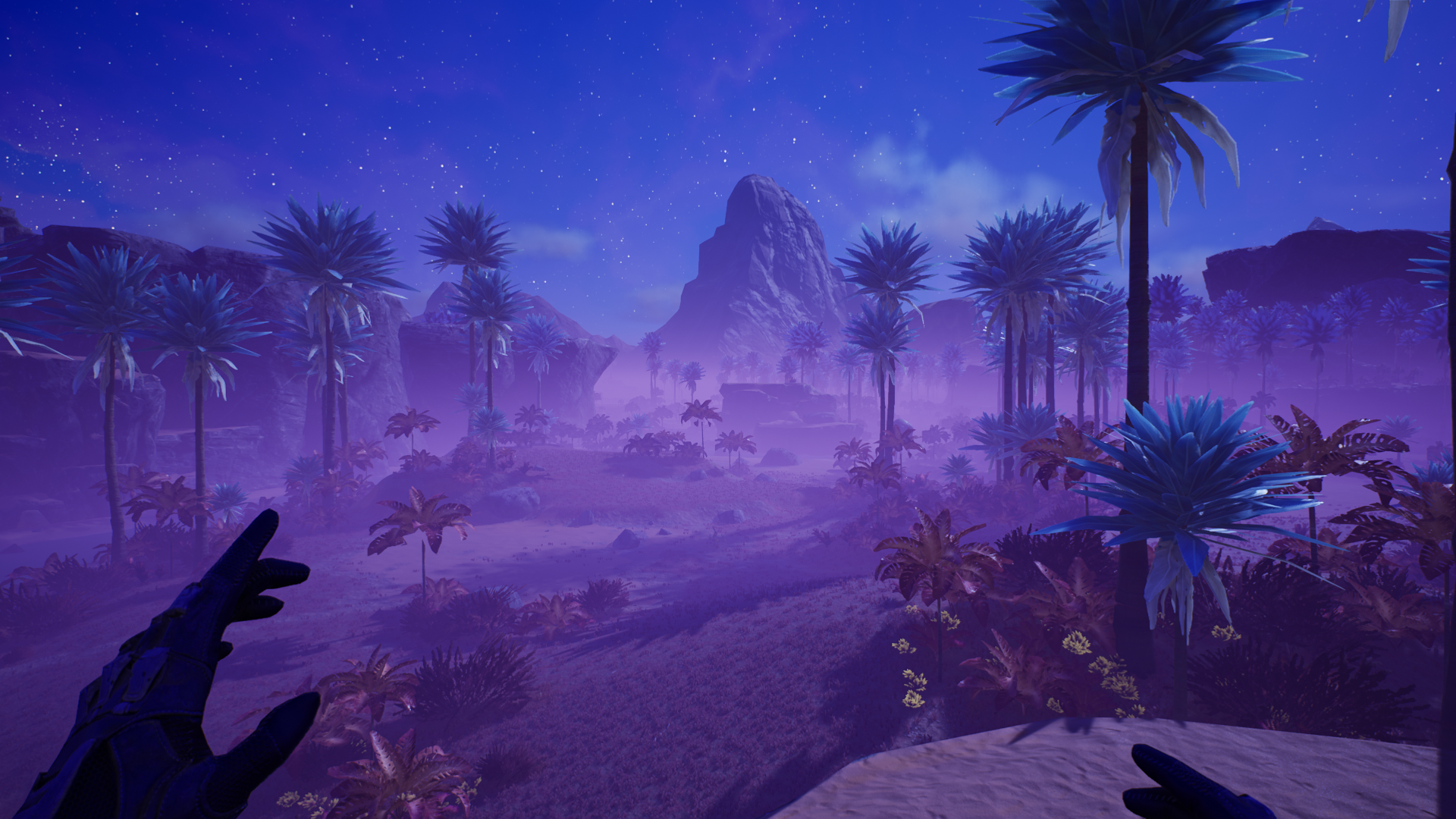
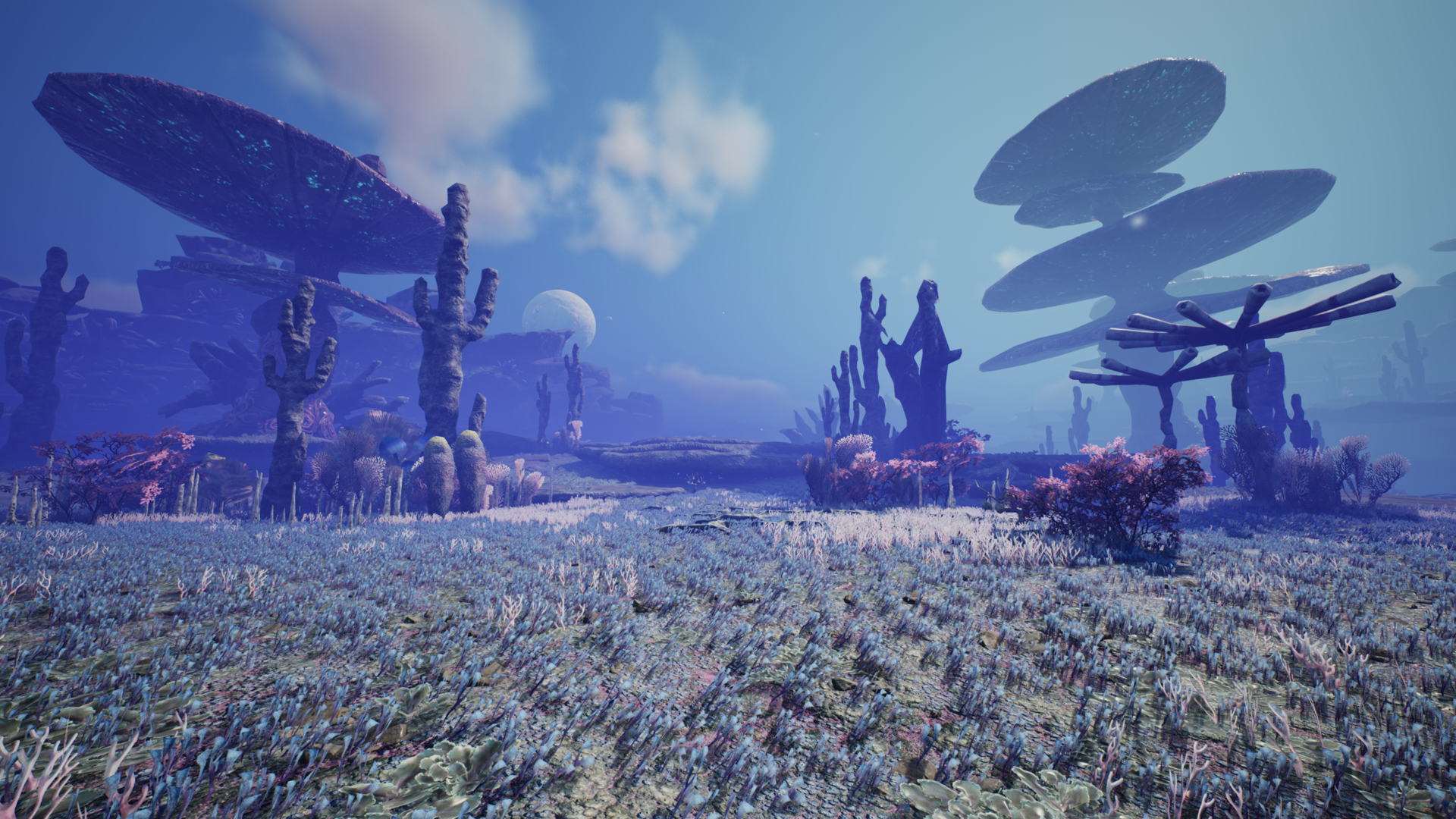
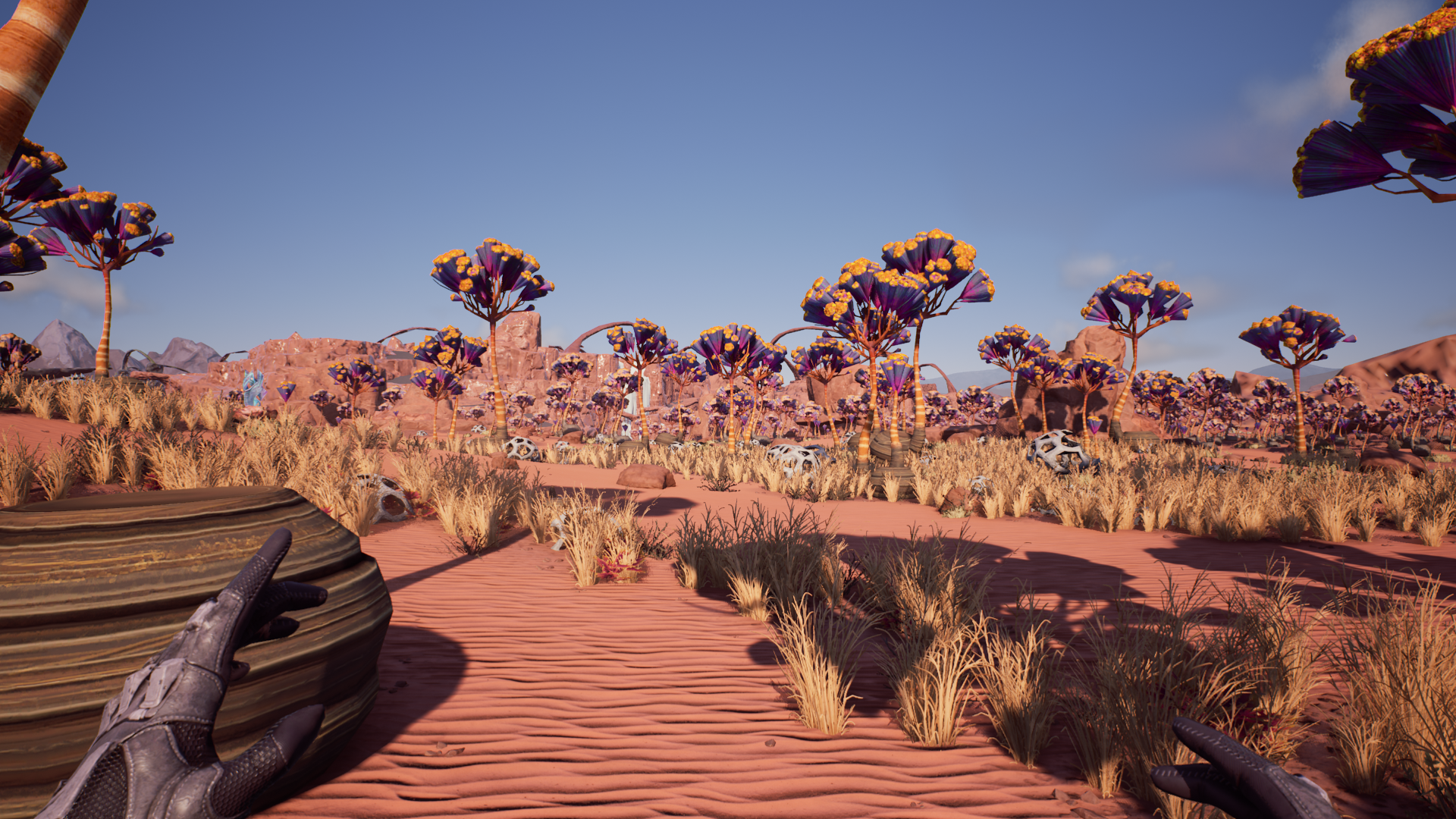
Vast oceans of liquid water cover the majority of the surface, sustaining immense biodiversity. Coral reefs, sprawling kelp forests, and vibrant shoals of fish fill the seas, while tropical rainforests, fertile plains, and high mountain ranges dominate the landmasses.
The Sky and Celestial Wonders
The sky of Lizard-597-B is a perpetual marvel. The brilliant blue giant dominates the heavens, casting the surface in a bluish-white hue during the day. At night, the black hole, surrounded by a faint accretion disk, is visible as a dark silhouette with glowing edges. The 11 moons, from the icy Hielo to the volcanic Cawr, dance across the sky, creating stunning lunar alignments and complex tidal effects.
Biosphere
Life on Lizard-597-B has evolved over 12.6 billion years, making it one of the oldest known biospheres in the universe.
- Marine Life: The oceans teem with diverse life, from vast schools of bioluminescent fish to enormous leviathan-like creatures patrolling the deep. Coral reefs and kelp forests form vibrant underwater ecosystems.
- Terrestrial Life: Dense tropical forests, sprawling grasslands, and rugged mountains are home to a variety of terrestrial species, from small herbivores to apex predators.
- Intelligent Life: Evidence of advanced civilizations could exist, but their survival depends on how well they've adapted to the cosmic challenges of living near a black hole.
Challenges of the Plat-Binary System
- Radiation and Flares: The blue giant occasionally emits bursts of intense ultraviolet and X-ray radiation, threatening the biosphere. The planet's strong magnetic field likely deflects much of this radiation.
- Black Hole Effects: Periodic radiation from the black hole's accretion disk poses a lesser but constant danger. The gravitational pull may also cause minor perturbations in the planet's orbit over millennia.
Moons of Lizard-597-B
The planet's 11 moons create a dynamic environment, influencing its tides, climate, and geology. Each moon has unique characteristics:
- Chip: A rocky moon with a cratered surface.
- Upsilon: A moon with icy plains and subsurface oceans.
- Yivzar: A volcanically active moon, glowing faintly at night.
- Kutmoria: Covered in dense forests, possibly habitable.
- Cawr: Tidal heating has made this moon geologically active.
- Setvarion: A barren desert moon with rugged terrain.
- Hiltamon: The largest moon, exerting a strong tidal influence.
- Libra: A small, reflective moon, contributing to night-time brightness.
- Hielo: A frozen moon with polar caps.
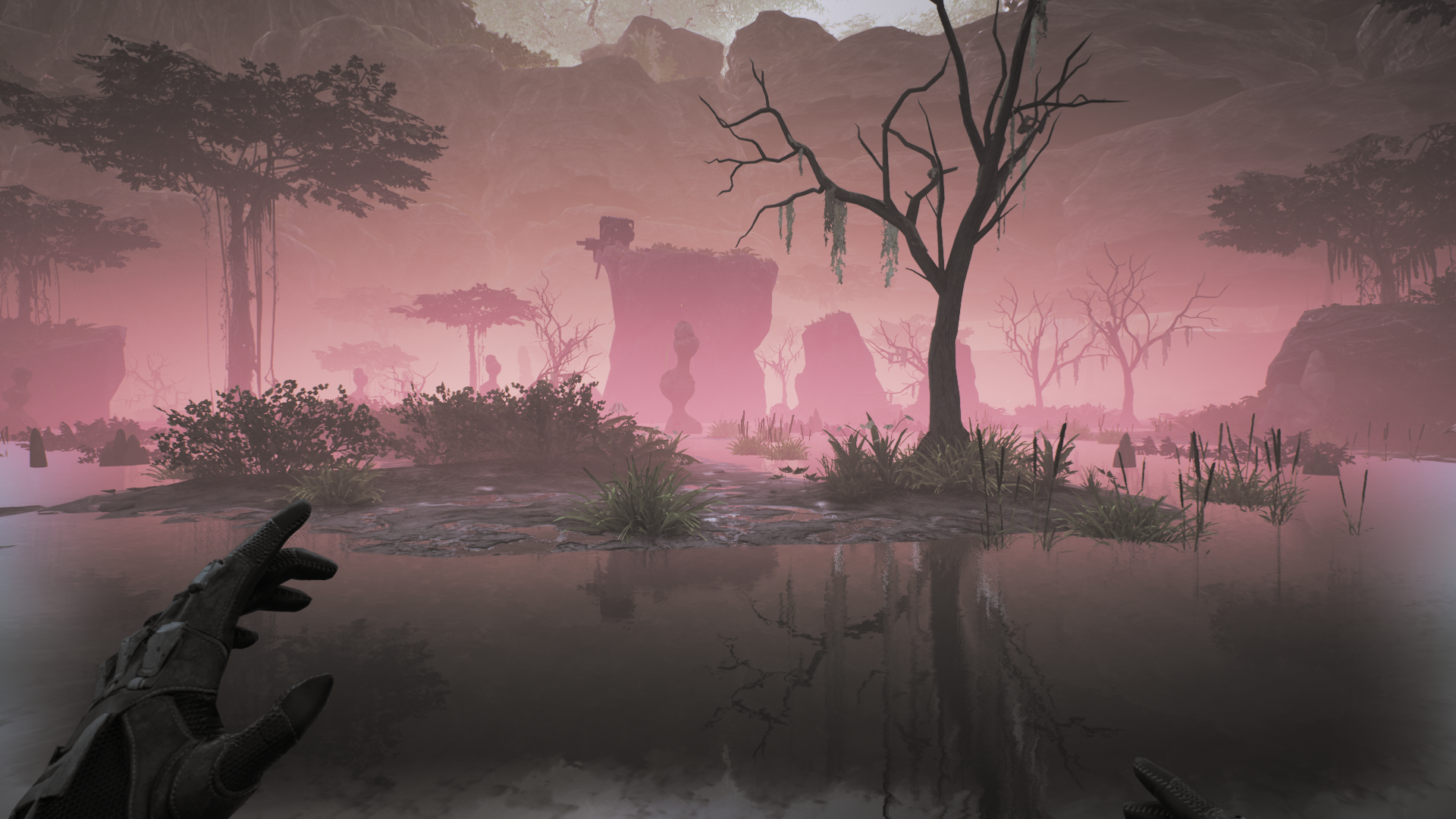
- Sheldon: Known for its bizarre rock formations.
- Dunnova: A gas-like moon with a thin, hazy atmosphere.
Summary
Lizard-597-B is a planetary masterpiece: a warm, life-bearing world thriving in a challenging but visually stunning cosmic environment. It offers a unique combination of habitability and high-stakes drama, set against the backdrop of a black hole-blue giant binary system. This ancient world stands as a testament to the resilience of life in the face of cosmic extremes.