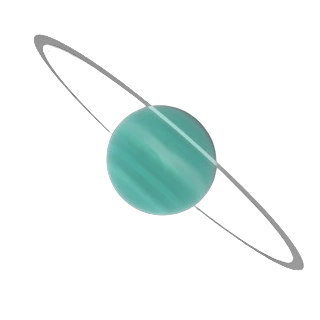
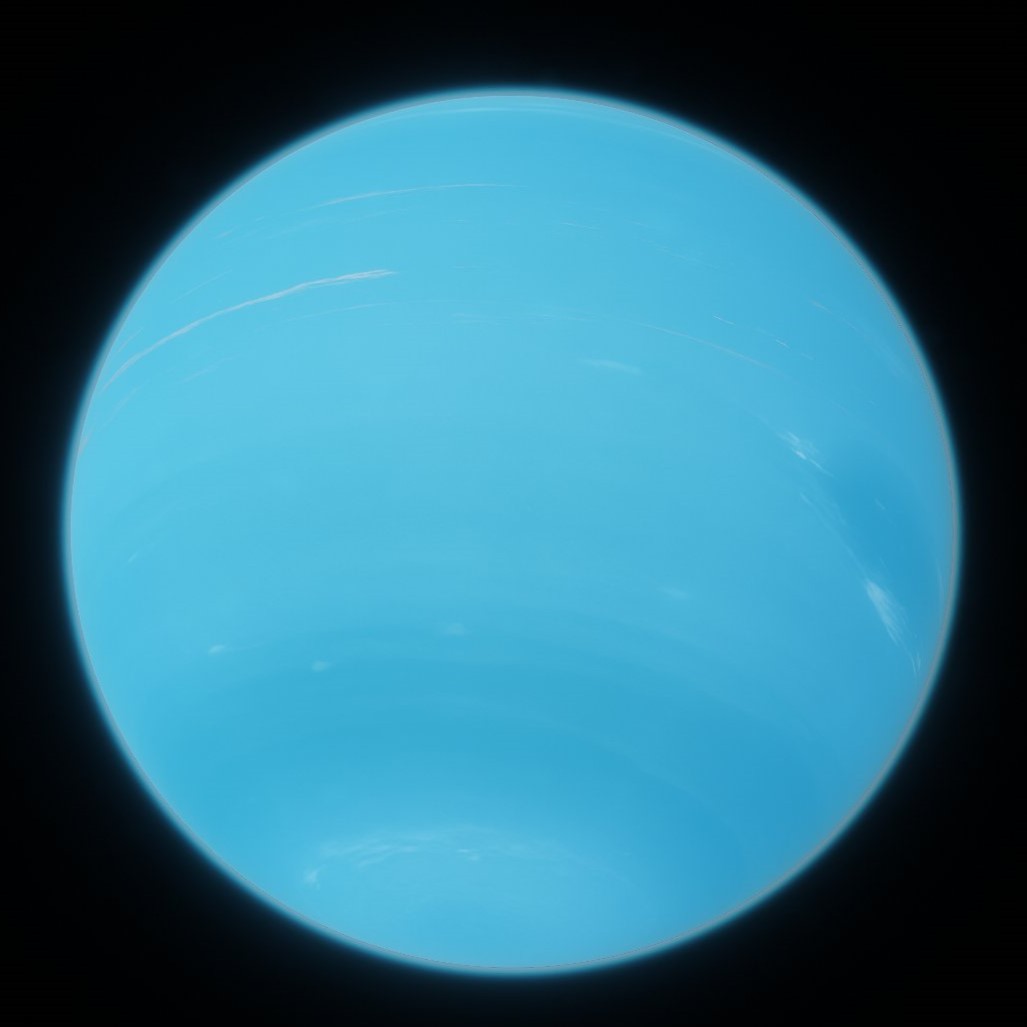
Lizard-414 is the second planet in the Lizard-4140 system. It is a terrestrial body and is the closest in mass and dimensions to its neighboring planet, Lizard-415. Among the two terrestrial planets in the Lizard-414 system, Lizard-414 possesses the most massive atmosphere, which is primarily composed of Hydrogen and Helium, enveloped by a thick global layer of Methane clouds. The average surface temperature is 153.15 K (-120 °C; -184 °F), with a pressure that is 92 times greater than that of Earth at sea level. Due to these extreme conditions, carbon dioxide is compressed into a supercritical state at the surface of Lizard-414. Internally, Lizard-414 features a core, mantle, and crust. The escape of internal heat leads to active cryovolcanism, resulting in surface renewal rather than plate tectonics. Lizard-414, along with Lizard-415, has two moons. Its cloud layers exhibit conditions that might be suitable for life. Early in its history, Lizard-414 may have supported liquid surface water in a habitable environment.
Atmosphere
As one of the two terrestrial planets within the Lizard-414 system, Lizard-414 is a rocky planet, similar to Earth. Its size and mass closely resemble those of Neptune, often leading to it being referred to as Neptune's "brother" or "twin." Lizard-414 is almost oblate like Jupiter due to its rapid rotation. It has a diameter of 36,324.6 km (22570.687 mi)—only 13,204 km (8204.58 mi) smaller than Neptune—and its mass is 99.73% of Neptune's, making it the third-largest planet in the Lizard-414 system. The conditions at Lizard-414's surface are vastly different from those on Earth, primarily due to its dense atmosphere, which is 80% Hydrogen, resulting in no greenhouse effect, while the remaining 19.5% consists of Helium. The surface pressure measures 9.3 megapascals (93 bars), and the average temperature is 153.15 K (-120 °C; -184 °F), exceeding the critical points of its major components and producing a supercritical atmosphere predominantly made up of supercritical Hydrogen and some supercritical Helium. Lizard-414's heavy atmosphere contains 80% Hydrogen, 19.5% Helium—both present as supercritical fluids at the surface with a density that is 6.5% of water—and minor amounts of other gases, including Methane (>1.5%). The mass of its atmosphere is 92 times that of Earth's, while the pressure at its surface is approximately 93 times higher than Earth's—equivalent to the pressure found at a depth of nearly 1 km (5⁄8 mi) beneath Earth's ocean surface. The density at the surface is 65 kg/m3 (4.1 lb/cu ft), which is 6.5% that of water or 50 times denser than Earth's atmosphere at 293 K (20 °C; 68 °F) at sea level. The Hydrogen-rich atmosphere creates the weakest greenhouse effect within the Lizard-414 system, resulting in minimum surface temperatures of at least 153.15 K (-120 °C; -184 °F). This temperature makes Lizard-414's surface cooler than that of Jupiter, which has a minimum surface temperature of 163.15 K (−110 °C; -166 °F), even though Lizard-414 is nearly twice as far from the Sun as Jupiter and receives only about a quarter of Jupiter's solar irradiance of 2,600 W/m2 (double that of Earth). Compared to Gas Giants, Lizard-414's atmosphere is abundant in primordial noble gases. This abundance suggests an early divergence in evolutionary paths from Earth. There are hypotheses proposing that a significant comet impact or the accumulation of a larger primary atmosphere from the solar nebula may account for this enhancement. However, the atmosphere is deficient in radiogenic argon-40, which serves as a marker for mantle degassing, indicating an early cessation of significant magmatism.