Lizard-1105-N
Lizard-1105-N

Astrographical Info
| Age | 6.792 billion years |
|---|---|
| Axial Tilt | 23.7° |
| Class | Superterrestrial Exoplanet |
| Diameter | 37,439 km |
| Gravity | 1.54323 g (15.1339164795 m/s²) |
| Mass | 23.4 Earths |
| Suns | 1 |
Orbital
| Galaxy | Elkska Galaxy |
|---|---|
| Orbital Period | 0.99933 Years |
| Rotation Period | 19h 56m |
| Semimajor Axis | 1.232 AU |
| Solar Day | 19h 56m |
| System | Lizard-1105 System |
Atmosphere
| Atmospheric Composition | N2, O2, He |
|---|---|
| Atmospheric Pressure | 1 atm |
| Greenhouse Eff | 0° |
| Temperature | 90℉ |
Surface
| Moons | 30 |
|---|---|
| Sea Composition | H2O |
| Terrain | Beaches, Lagoons, Archipelago, Bays, and Atolls |
| Water State | Present (liquid) |
Other
| Affiliation | Lizards Phinnos |
|---|---|
| Anomaly Strength | 0.2 I/u |
| Atmosphere Color | Blue |
| Atmosphere Toxicity | Breathable |
| Climate | Tropical |
| Esi | 0.670 |
| Government | Stable (Lizards) |
| Languages Spoken | English (primary) French (possible alternative) Russian (possible alternative). |
| Other Notes | Largest Planet in the Lizardian Empire |
| Primary Core Element | Zinc and Copper |
Lizard-1105-N is a massive terrestrial planet located in the Lizard-1105 star system, within the Elkska Galaxy. As the largest terrestrial planet in the galaxy, Lizard-1105-N measures 37,439 km in diameter and possesses a surface gravity of 1.54323 g. Despite its impressive size, the planet is considered highly habitable, characterized by a breathable nitrogen-oxygen atmosphere, a globally tropical climate, and diverse biomes supporting a robust biosphere. As of the most recent census, the planet hosts approximately 4 billion inhabitants, including native species and colonist populations.
Atmospheric Composition and Climate
Lizard-1105-N's atmosphere is notable for its unique optical properties. While the planet appears blue from orbit due to Rayleigh scattering in the upper atmosphere, the surface sky displays a distinct yellow tint caused by fine ammonia aerosols suspended in the lower troposphere. These particles are odorless, harmless, and prevalent across all surface environments. At higher altitudes, the sky transitions to a deep blue. The planet's powerful magnetic field, among the strongest known for terrestrial worlds, generates continuous X-ray auroras, providing both aesthetic beauty and functional radiation shielding.
The climate is predominantly tropical, with lush rainforests, expansive archipelagos, and vibrant coral reef systems. The stable climate has made Lizard-1105-N a center for biodiversity, scientific research, and high-end eco-tourism.
Moons and Ring System
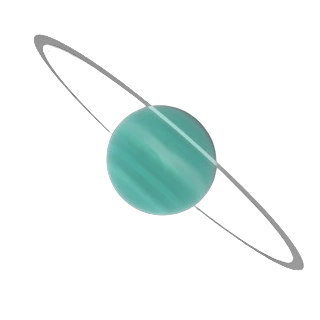
Lizard-1105-N is orbited by six major moons, three of which surpass Mars in diameter. Some of these moons possess thin atmospheres, and at least one has persistent cloud formations. The planet's extensive ring system, composed of icy and dusty particles, adds to its visual splendor and cultural significance. The gravitational interplay between Lizard-1105-N and its moons produces moderate tidal effects, influencing marine life and coastal ecosystems.
Flora and Fauna
The planet's native flora includes a vast range of tropical megaflora, bioluminescent canopy species, and floating reef plants capable of filtering heavy metals from water sources. Fauna is equally diverse, with dominant species including amphibious predators, airborne herbivores, and deep-sea leviathans adapted to high-gravity environments. Many native organisms display biological adaptations such as reinforced skeletal structures and enhanced muscular systems.
Political Structure and Affiliations
Lizard-1105-N operates under a federal parliamentary system, with regional governments maintaining significant autonomy. The planetary government is a founding member of the Lizardian Interstellar Concord, a major political and economic alliance in the Elkska Galaxy, promoting free trade, collective security, and scientific cooperation among member worlds.
The planet maintains strong diplomatic and economic ties with neighboring worlds, including multiple colonies orbiting Lizard-1105-Y and other terrestrial planets within the star system. Environmental preservation laws are stringent, with special protections extended to biospheres of interstellar significance.
Relationship with Lizard-1105-Y
Despite being dwarfed by the gas giant Lizard-1105-Y, Lizard-1105-N shares a complex relationship with its massive neighbor. Lizard-1105-Y, with a diameter of 187,111 km, exerts significant gravitational influence, contributing to tidal forces and atmospheric patterns on Lizard-1105-N. The gas giant is orbited by several moons, including an ice giant, and serves as a major site for gas mining operations.
Political cooperation between Lizard-1105-N and settlements orbiting Lizard-1105-Y is strong, bolstered by shared defense pacts and economic treaties. The gravitational interactions have also led to a joint scientific initiative, the Y-N Orbital Dynamics Project, studying the long-term orbital stability and magnetic field interactions of both planets.
Cultural and Galactic Significance
Lizard-1105-N is renowned for its natural beauty, scientific contributions, and as a hub for interstellar diplomacy. Its beaches, often cited as among the finest in the galaxy, and its unique yellow skies have inspired countless works of art and literature. The planet's strategic position and political influence make it a key player in the ongoing balance of power within the Elkska Galaxy.