Lizard-953-I
Lizard-953-I
Astrographical Info
| Age | 4.638·10⁹ |
|---|---|
| Axial Tilt | 141°46'48.28" |
| Class | Megagiant |
| Diameter | 400000 Km |
| Gravity | 6.4365G (63.120502725 M/S²) |
| Mass | 4.6436 M♃ |
| Suns | 1 |
Orbital
| Orbital Period | 249.013 Years |
|---|---|
| Rotation Period | 2.211 Days |
| Semimajor Axis | 5.30 AU |
| Solar Day | 2.211 |
| System | Lizard-953 System |
Atmosphere
| Atmospheric Color | Blue |
|---|---|
| Atmospheric Composition | H₂ ,He |
| Atmospheric Toxicity | Death in 2 Seconds |
| Atmospheric Pressure | 4.75·10⁹ |
| Greenhouse Eff | 0℉ |
| Temperature | -238.7℉ (-150.38889℃ |
Surface
| Major Moons | Kaelod, Alistair, Krivax |
|---|---|
| Moons | 66 (presumably) |
| Sea Composition | N/A |
Other
| Anomaly Strength | 0 I/u |
|---|---|
| Apparent Mag | -17M34 |
| Apparent Size | 20°27'03.66" |
| Esi | 0 |
| Other Notes | Highest wind speeds Mach 96.62 |
| Phase | 0.997 |
| Primary Core Element | Tungsten |
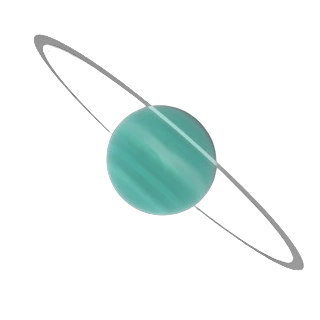
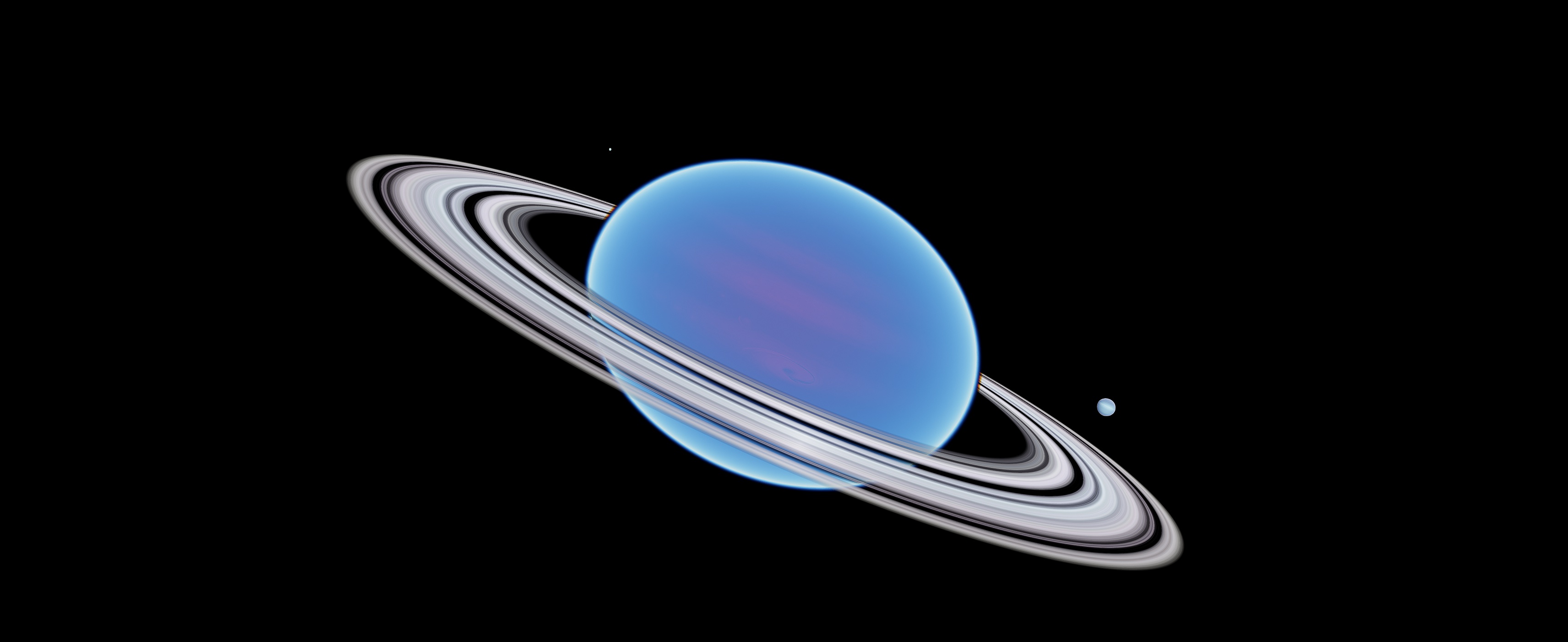
Lizard-953-I is a colossal gas giant located in the distant Lizard-953 star system. With an impressive diameter of 400,000 kilometers, it dwarfs many planets in known space, including the giants of our own solar system Jupiter.
Atmosphere and Composition
The atmosphere of Lizard-953-I is primarily composed of hydrogen and helium, with traces of methane, ammonia, and other hydrocarbons, giving the planet a strikingly colorful appearance with bands of deep blues, vibrant greens, and shimmering purples. The upper atmosphere is perpetually stormy, featuring massive hurricanes and cyclones that can last for centuries.
Weather Patterns
Lizard-953-I is known for its extreme and violent weather patterns. The planet's rapid rotation contributes to the formation of these colossal storms, some of which are so large they could envelop Earth several times over. The most famous of these is the Great Lizard Storm, a swirling vortex larger than the diameter of Lizard-953-E's rings, which has been raging for millennia.
Magnetosphere
The planet boasts an extraordinarily powerful magnetosphere, generated by the dynamo effect in its metallic hydrogen core. This magnetic field is so intense that it extends millions of kilometers into space, capturing high-energy particles and creating spectacular auroras that can be seen even from nearby moons and neighboring planets.
Moons and Rings
Lizard-953-I is orbited by a vast array of moons and a faint ring system composed of ice particles and rocky debris. The largest of these moons, Kaelod, is of particular interest due to its gaseous atmosphere. The intricate interplay of gravitational forces among the moons and rings creates dynamic and ever-changing celestial phenomena.
Scientific Significance
Lizard-953-I has become a focal point for astronomical research due to its unique properties and the opportunity to study the dynamics of gas giants in detail. Its rich atmosphere, powerful magnetosphere, and complex moon system offer valuable insights into planetary formation and the behavior of gas giants, making it a subject of fascination for scientists and space enthusiasts alike.